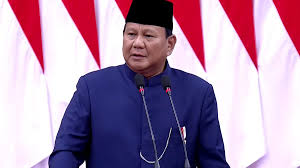
Indonesia’s political landscape has long been shaped by alliances, compromises. And the strategic placement of influential figures in key governmental positions. One of the most scrutinized cabinets in recent history is the one led by Prabowo Subianto, Prabowo’s Cabinet A Political Indonesia’s. Defense minister and presidential contender. As he takes office in his second term, questions arise about the true nature of his cabinet. Is it a political payback, or a carefully crafted strategic alliance designed to navigate the country’s complex political environment?
The Composition of the Cabinet: A Political Mosaic
Prabowo’s cabinet reflects the intricate web of political alliances that have shaped Indonesia’s recent political era. After his bitter presidential defeat in 2019, Prabowo’s decision to join President Joko Widodo’s administration was a highly strategic move. He assumed the role of defense minister, signaling a shift from his opposition stance to a more cooperative approach. In the cabinet reshuffle and the formation of his government in 2024, the composition of Prabowo’s team raises eyebrows. Many positions are filled by individuals with strong political party ties. Reflecting a tendency to favor political loyalty over technical expertise.
Political Payback: Rewarding Allies
Critics argue that Prabowo’s cabinet is, at its core, Prabowo’s Cabinet A Political a political payback system. Several of the appointments in his cabinet appear to serve the interests of political factions. That supported him in his bid for the presidency. For example, party affiliates who played pivotal roles in his campaigns or coalition partners are rewarded with key ministerial positions. This approach is common in Indonesian politics, where loyalty often outweighs qualifications in the distribution of power.
The strategic placement of loyalists ensures that Prabowo maintains a strong grip on his political alliances. Solidifying his position within the country’s political ecosystem. This practice, while not uncommon in Indonesian politics, has drawn criticism from various quarters for undermining merit-based governance.
Strategic Alliances: Navigating Political Complexity
Indonesia’s democracy has been characterized by coalitions that are often fragile, with diverse ideological factions competing for influence. By including representatives from various political parties and interest groups, Prabowo aims. To create a cabinet that is representative of the broader political spectrum. This, in turn, ensures that the government remains functional. And that the interests of key political players are taken into account.
For Prabowo, strategic alliances are key to both his personal political survival and the stability of his administration. In a nation where politics is often marked by shifting alliances and opportunistic maneuvers. Building a diverse cabinet helps to mitigate the risks of political fragmentation. Having allies in powerful positions can also serve as a safeguard against potential opposition. Both from within the government and from rival factions.
Criticism: The Price of Political Convenience
Despite the potential advantages, the political payback nature of Prabowo’s cabinet has not been without its detractors. Critics argue that the emphasis on political loyalty over technical competence could undermine the efficiency of governance. In a time when Indonesia faces a range of challenges, including economic recovery post-pandemic, infrastructure development, and climate change. The need for capable and experienced ministers has never been more critical.
Furthermore, the consolidation of power through political alliances can sometimes lead to a stifling of democratic checks and balances. In cases where cabinet positions are filled based on party loyalty rather than merit. There is a risk that policymaking could become overly influenced by special interests, leaving the broader public at a disadvantage.
Conclusion: A Dual-Edged Sword
Prabowo’s cabinet, in many ways, is a reflection of Indonesia’s current political realities. A complex mix of strategic alliances and political paybacks. On the one hand, it ensures that the defense minister can maintain strong control over the political machinery. Leveraging loyalty and alliances to secure his position. On the other hand, the cabinet risks becoming less effective due to a lack of emphasis on merit-based appointments.
Baca Juga : Partai X Umumkan Calon Presiden untuk Pemilu 2024, Targetkan Suara Muda