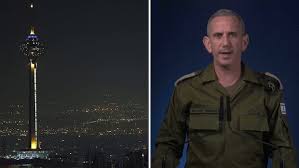
On October 26, 2024, tensions in the Middle East reached new heights as Israel launched a series of airstrikes targeting Iranian military sites, marking a significant escalation in the longstanding and volatile relationship between the two nations. This retaliatory move came after multiple Iranian provocations and escalations in the region, including missile strikes aimed at Israeli positions in the past weeks. The airstrikes hit key military and defense infrastructure, including missile storage facilities, radar systems, and communications hubs, situated within Iran’s borders.
Background to the Conflict
The rivalry between Israel and Iran is rooted in a complex web of political, military, Israel Retaliates with Iran and ideological factors. Israel views Iran as one of its most significant threats. Primarily due to Iran’s nuclear ambitions, its support for militant groups hostile to Israel. And its role in supporting Syria’s Assad regime during the Syrian Civil War. Over the years, Iran has backed groups like Hezbollah. In Lebanon and various Palestinian factions, increasing Israel’s concerns over its security.
In recent months, the conflict has intensified as Israel has accused Iran of covert military operations, including cyberattacks and the development of long-range missiles. The Iranian government, on the other hand, has repeatedly condemned Israel’s military presence in Syria and the broader region, calling it a form of imperial aggression.
The October 2024 Airstrikes
The Israeli airstrikes of October 26 were a direct response to a series of missile launches from Iranian-backed forces in Syria and southern Lebanon, which Israel said were aimed at Israeli military outposts along the Golan Heights. While Israel refrained from publicly acknowledging their role in the strikes, satellite images confirmed the destruction of key Iranian military sites in and around Tehran. The strikes were carried out by Israel’s air force. Utilizing both drones and fighter jets to minimize civilian casualties while targeting high-value military assets.
Israel’s military has often taken a policy of “preemptive” or “retaliatory” strikes, striking at perceived threats before they can materialize. The October airstrikes fit into this pattern. With Israel seeking to deter future attacks by Iranian-backed militias. And to send a clear message to Tehran that its actions will not go unanswered.
The Iranian Response
In the wake of the Israeli airstrikes, Iran has vowed retaliation. Iran’s Supreme Leader Ayatollah Ali Khamenei. Warned that “any aggression against Iranian territory will be met with decisive and forceful retaliation.” Iran’s foreign ministry has also condemned Israel’s actions. Calling them a violation of international law and warning that the country would not tolerate further strikes.
Iranian-backed militias in Syria, including Hezbollah. Have already begun making statements that they are ready to launch missile attacks against Israeli targets in the coming days. This has raised concerns of a broader regional conflict. Especially if hostilities spread to Lebanon or Iraq, Israel Retaliates with Iran where Iranian influence is strong.
The International Response
The international community has reacted with a mixture of concern and caution. The United States, a key ally of Israel. Expressed support for Israel’s right to defend itself against hostile actions. But called on both Israel and Iran to avoid further escalation. The United Nations has called for immediate dialogue and restraint from both sides to prevent a full-scale war.
Russia, which has longstanding ties with Iran. And has been involved in the Syrian conflict, has expressed concern over Israel’s actions. Warning that continued military strikes could destabilize the entire Middle East. Moscow has called for a de-escalation of tensions, emphasizing the need for diplomatic negotiations.
The Bigger Picture: A Regional Powder Keg
The Israeli airstrikes on Iran are not an isolated incident. But part of a broader pattern of proxy. Wars and military engagements that have been increasing across the Middle East in recent years. Tensions in Yemen, Iraq, and Lebanon, Israel Retaliates with Iran as well as the ongoing conflict in Syria. Have contributed to an increasingly complex and dangerous regional environment.
Conclusion
The escalation between Israel and Iran, sparked by the October 26, 2024, airstrikes, is a stark reminder of the fragility of peace in the Middle East. With both sides firmly entrenched in their positions and the risk of wider regional involvement, the international community must act swiftly to prevent further violence. Diplomatic efforts will be essential in preventing a full-scale war, but the longstanding enmity between Israel and Iran suggests that any peace process will be a long and difficult road.